UX Research & Information Architecture
Before pixels, structure. We map user flows, define navigation models, and organize information so people can find what they need without thinking about it.
Services / Design
Good product design is not decoration applied at the end — it's the discipline of making a complex system feel obvious. At 11Seas, design sits alongside research and engineering from the first week, not after requirements are frozen.
We design interfaces people can use without a manual, backed by design systems that keep a product coherent as it grows from ten screens to a hundred.
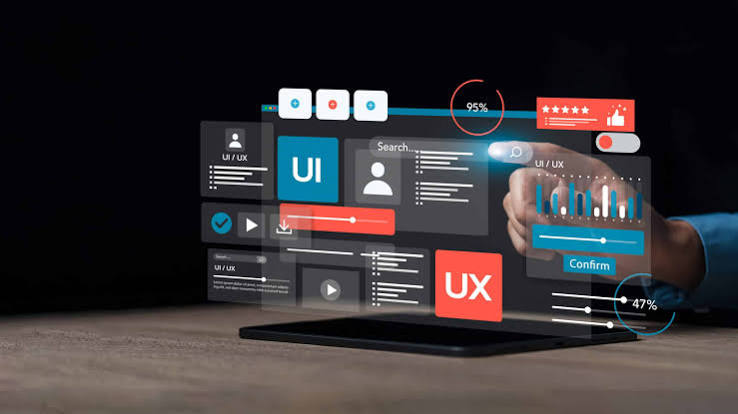

“Why do users drop off on a screen we thought was simple?”
Usually because it was simple to the people who built it, not to the people using it. We test designs with real users at low fidelity — while changes still cost hours instead of sprints.
Before pixels, structure. We map user flows, define navigation models, and organize information so people can find what they need without thinking about it.
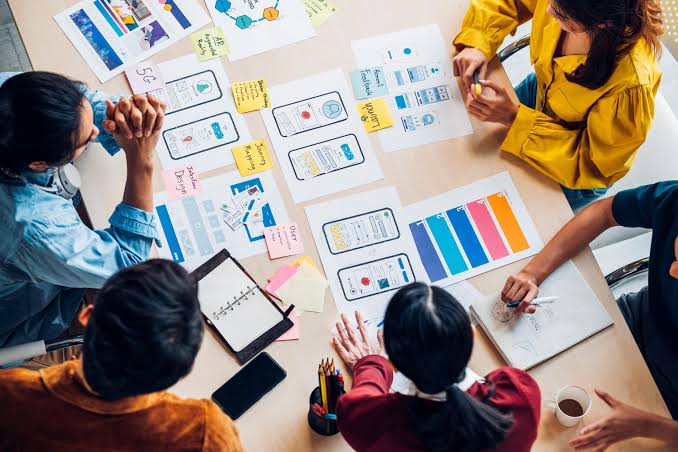
High-fidelity interface work grounded in accessibility and platform conventions — designs that feel native to iOS, Android, and the web rather than fighting each platform.
A component library with real rules: spacing scales, type ramps, color tokens, and documented usage. Your fifth designer builds the same product as your first. We build these systems to survive growth — new features, new platforms, and new team members shouldn't mean rediscovering conventions that already existed somewhere in a Figma file no one could find.
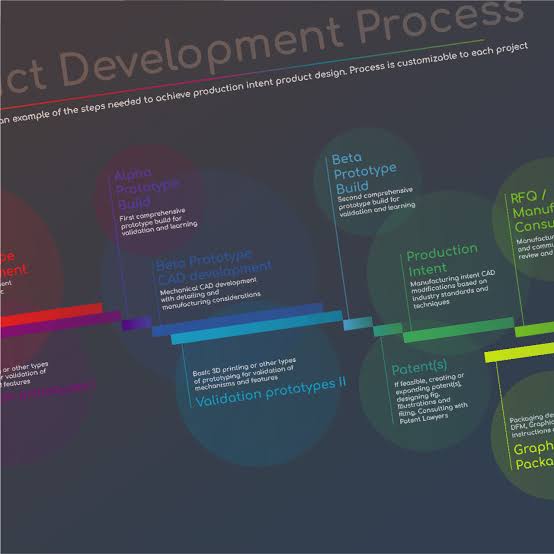
Interactive prototypes that behave enough like the real thing to test properly — so we learn what confuses people before engineering time is spent on it. Product design and prototyping work at 11Seas moves through low-fidelity sketches, clickable mid-fidelity flows, and finally high-fidelity interactive builds, with real user testing at each stage rather than only at the end.
Good product design is not decoration applied at the end — it's the discipline of making a complex system feel obvious. At 11Seas, design sits alongside…
Before pixels, structure. We map user flows, define navigation models, and organize information so people can find what they need without thinking about it.
High-fidelity interface work grounded in accessibility and platform conventions — designs that feel native to iOS, Android, and the web rather than fighting each platform.
A component library with real rules: spacing scales, type ramps, color tokens, and documented usage. Your fifth designer builds the same product as your first.
Interactive prototypes that behave enough like the real thing to test properly — so we learn what confuses people before engineering time is spent on it.
Design work is delivered in formats your team can pick up and extend, with nothing locked behind our accounts.
Everything below is in scope for a typical engagement — we scope precisely against your situation before quoting.
Design files are handed over in Figma with components, variants, and documented usage — yours to keep and extend.
Craft
We hand over systems, states and specs, not just screens, so what gets built matches what was approved.
Yes — native iOS and Android, cross-platform, and responsive web. We follow each platform's conventions rather than forcing one design across all of them.
Of course. We design within your brand system, and if gaps show up in digital contexts we'll flag them and propose extensions rather than quietly inventing new rules.
Yes. Plenty of clients engage us for design only and build with their in-house team. We stay available during implementation for design QA.
Figma is our primary tool for design, prototyping, and handoff. You get full access to the files and component library.
Interactive prototypes tested with users representative of your audience. We look for where people hesitate, backtrack, or misread an action — then fix it in design.
Yes — a UX audit is often the best entry point. We identify the highest-impact issues, then work through them in priority order rather than proposing a full redesign by reflex.
Product design covers UX/UI design, design systems, and prototyping, grounded in real user research rather than aesthetic preference alone.
Yes. We build and extend design systems for both new products and existing ones that need consistency at scale as they grow.
User research, including interviews, usability testing, and prototype validation, is built into the design process rather than treated as an optional extra step.
Design decides whether people can actually get value out of what you built. Treated seriously and early, it lowers support load, raises conversion, and makes engineering cheaper by settling questions before code exists.…
Get clarity on your idea, scope, and next steps — in one short call.