Services / Research
Research, Ideation
& MVP Discovery
At 11Seas, we treat research and ideation as the foundation of every great product. Our commitment is to build experiences that meet a high bar for quality while genuinely resonating with the people who use them — not just checking a feature box.
That commitment is driven by cross-functional teams in strategy, design, and product thinking who work side by side to turn early ideas into products people actually want. As an MVP development agency for startups, we're as comfortable validating a rough concept as we are sharpening a fully formed one.
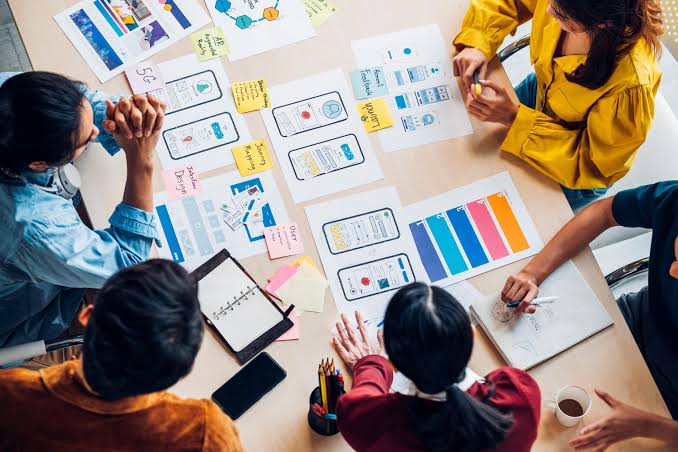
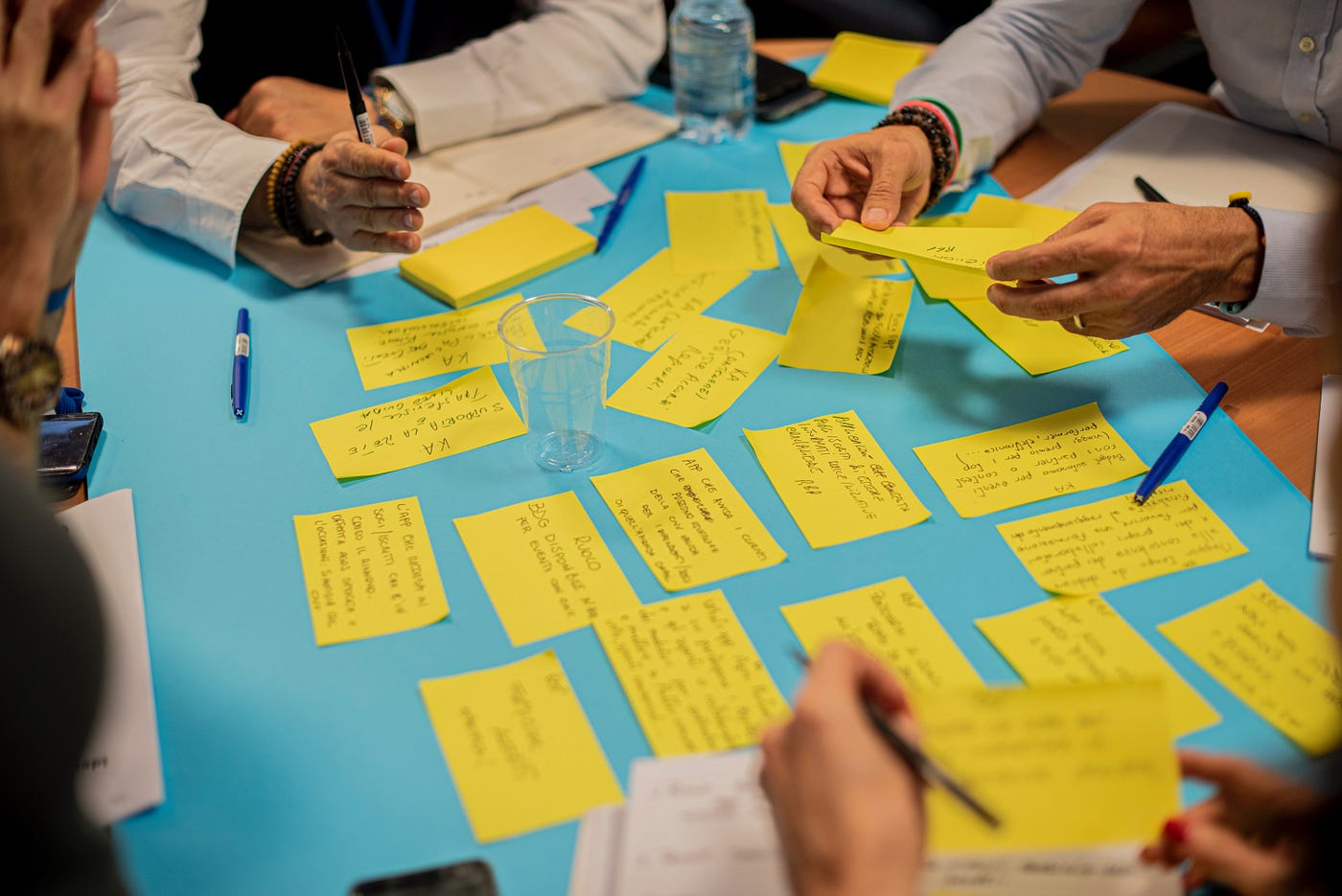
“How do we avoid flops long before we finish building the whole thing?”
The goal of our discovery phase is simple: answer that question before a single line of production code is written. We run early-stage validation on the problem, the proposed solution, and the underlying economics of the product.
How the work runs
Understanding user requirements
We start with a close analysis of user needs, functional requirements, and pain points. By putting ourselves in our audience's…
Strategic product positioning
We're deliberate about how a product is positioned — its unique value and how it stands apart from alternatives already in the…
Competitive analysis and industry best practices
Our research includes a close look at competitors and the standards leading products in the space are…
An iterative, collaborative approach to ideation
Research and ideation at 11Seas is never a one-and-done exercise. We loop clients in continuously, refining direction based on…
Integration with development
Our research work stays tightly connected to the engineering team from day one, so everyone is aligned early and the latest…
Understanding user requirements
We start with a close analysis of user needs, functional requirements, and pain points. By putting ourselves in our audience's shoes, we understand their goals, frustrations, and preferences — so the final product doesn't just meet expectations, it solves real problems well.
Strategic product positioning
We're deliberate about how a product is positioned — its unique value and how it stands apart from alternatives already in the market. This includes naming the audience segment the product serves first, articulating the specific problem it solves better than existing options, and stress-testing that positioning against how a buyer actually decides. Positioning shapes everything downstream, from the MVP feature list to the first release of product design and prototyping work.
Competitive analysis and industry best practices
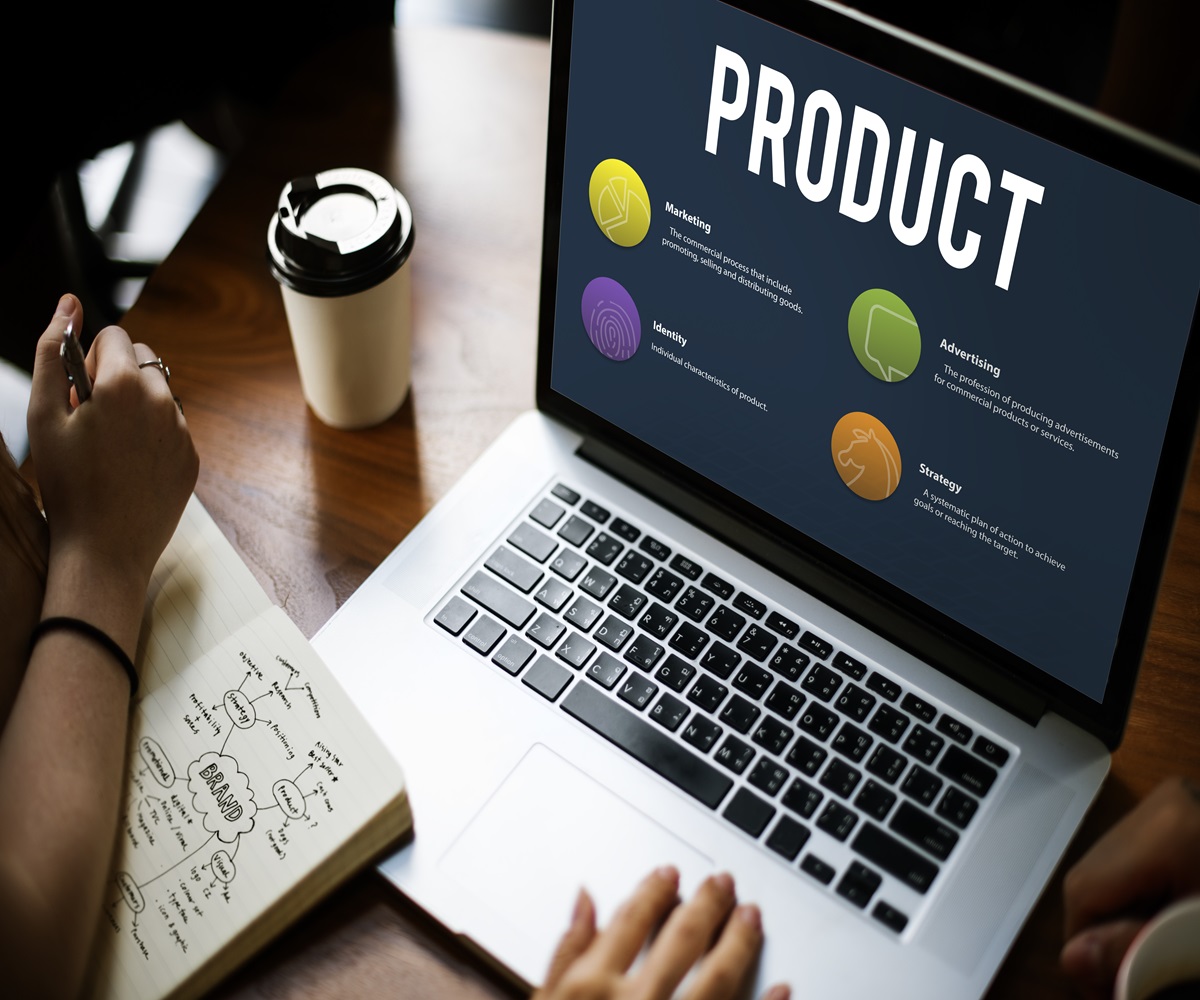
Our research includes a close look at competitors and the standards leading products in the space are setting. We map direct and adjacent alternatives, note where they fall short for your target users, and identify the conventions worth following versus the ones worth breaking. The goal isn't a swipe file — it's a clear-eyed view of where a genuine gap exists and whether it's big enough to build a business around.

An iterative, collaborative approach to ideation
Research and ideation at 11Seas is never a one-and-done exercise. We loop clients in continuously, refining direction based on real feedback — which keeps development costs in check and sharpens the scope of the MVP.
What an MVP discovery engagement includes
Everything below is in scope for a typical engagement — we scope precisely against your situation before quoting.
You leave discovery with a validated direction, a scoped MVP, product design and prototyping artifacts, and a realistic estimate — not a slide deck.
- Stakeholder and user interviews — structured conversations that surface real motivations, not assumptions.
- Market and competitor analysis — where you sit today, and where the gap is.
- Jobs-to-be-done mapping — what users are actually hiring your product to accomplish.
- Concept sketches and low-fidelity prototypes — cheap, fast artifacts to test direction.
- MVP scope definition — a prioritized build list with a clear rationale for what's in and what waits.
- Technical feasibility review — engineering input before commitments are made.

Discovery
Validate the idea before you fund the build
A few weeks of structured research is the cheapest insurance you can buy against building the wrong thing.
Frequently
Asked
Questions
Most discovery engagements run two to four weeks depending on scope and how much prior research exists. Complex regulated products can take longer; a focused MVP validation can be shorter.
Often a shorter version, yes. Even with a strong idea, a focused validation sprint tends to sharpen scope and catch expensive assumptions — which usually pays for itself in avoided rework.
Yes, wherever possible. We run structured interviews with real or representative users. If you don't have an audience yet, we recruit participants matching your target profile.
A validated product direction, prioritized MVP scope, user and market findings, early concept prototypes, and a development estimate grounded in that scope.
Absolutely. We often operate as an extension of an in-house team, contributing research capacity and an outside perspective rather than replacing anyone.
That's a good outcome, not a failure — you've saved a full build budget. In practice we more often find the core idea is sound but the scope or audience needs adjusting, and we help reshape it.
Research and ideation combines deep user research, strategic positioning work, and iterative ideation to turn an early idea into a validated, well-positioned product concept before development begins.
No. This stage is designed for exactly that gap, taking a rough idea and validating or reshaping it through research before committing to a build.
It varies by scope, but most research and ideation engagements run a few weeks, enough to validate direction without slowing down the path to development.
11Seas: Research that de-risks the build
Most product failures trace back to decisions made before development ever started. Our research and ideation practice exists to catch those problems while they're still cheap to fix — testing the problem, the solution, and the economics before you commit a budget to building the wrong thing.
Tell us about your project!
Get clarity on your idea, scope, and next steps — in one short call.