
 11seas
# SaaS Development: Complete Guide to Building a SaaS Product
Software as a Service, commonly known as SaaS, has become one of the most popular ways to deliver software.
Instead of purchasing and installing software on individual computers, customers access a SaaS application through the internet and usually pay through a subscription or usage-based model.
From project management platforms and CRM systems to healthcare applications, education platforms, financial software, and AI-powered products, SaaS has become an important business model for modern software companies.
This guide explains how **SaaS development** works, what features a SaaS product needs, how to build an MVP, what technologies are commonly used, and what businesses should consider before launching.
What Is SaaS Development?
SaaS development is the process of designing, developing, deploying, and maintaining cloud-based software that customers access online.
A SaaS application normally includes:
* User accounts
* Authentication
* Dashboard
* Database
* Subscription management
* Billing
* User roles
* Permissions
* Notifications
* Analytics
* Administration
* Cloud infrastructure
Unlike traditional software, SaaS applications are designed to serve multiple customers through a shared platform.
Types of SaaS Products
SaaS can be used in almost every industry.
B2B SaaS
Business-to-business SaaS products help companies manage operations.
Examples include:
* CRM platforms
* Project management software
* HR platforms
* Accounting software
* Marketing tools
* Analytics platforms
B2C SaaS
B2C SaaS products are designed for individual users.
Examples include:
* Productivity applications
* Personal finance platforms
* Design tools
* Learning applications
Vertical SaaS
Vertical SaaS focuses on a specific industry.
Examples include:
* Healthcare SaaS
* EdTech SaaS
* PropTech SaaS
* Construction SaaS
* Legal SaaS
This approach allows businesses to build software around specialized workflows and customer requirements.
How to Build a SaaS Product
1. Identify the Problem
Successful SaaS products solve a real problem.
Before development, research:
* Target users
* Existing solutions
* Customer pain points
* Competitors
* Pricing
* Market demand
2. Define the MVP
Don't build every feature immediately.
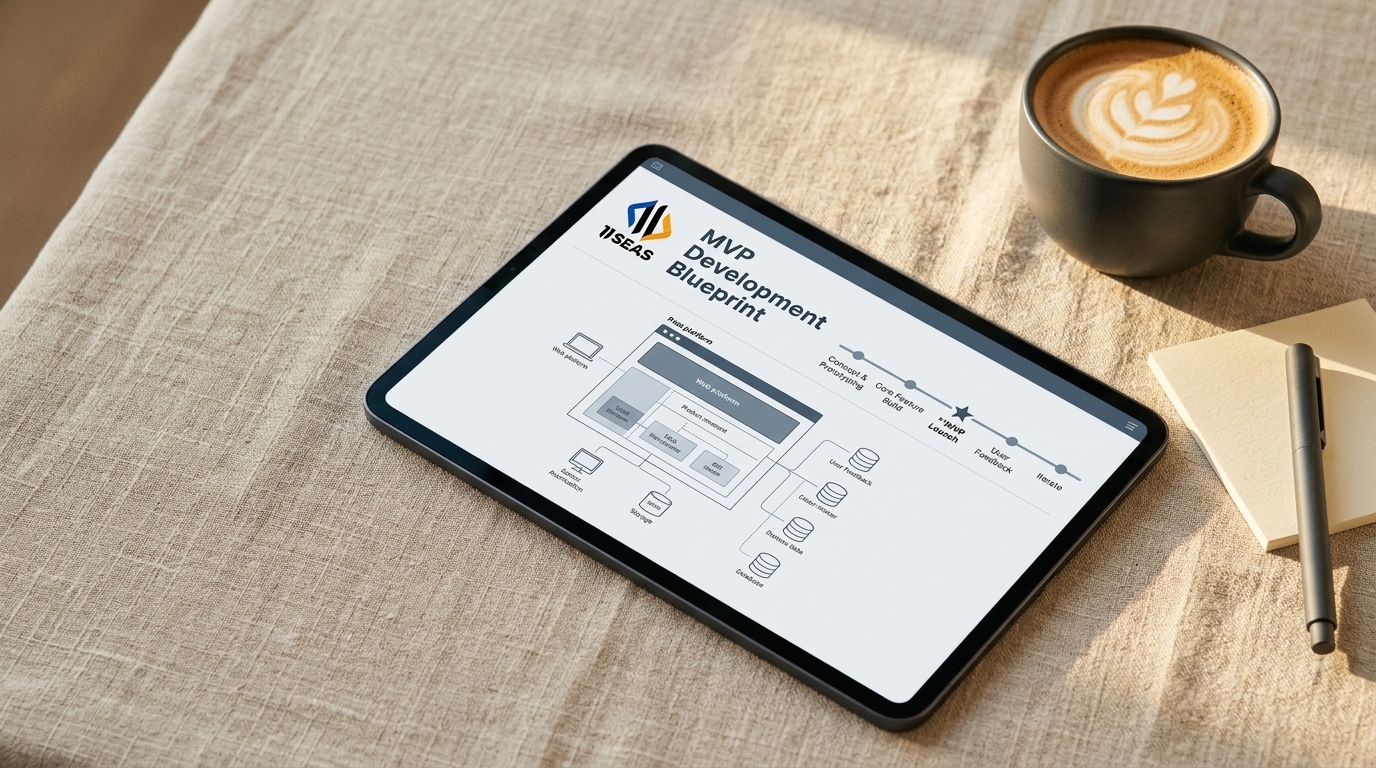
An MVP should contain only the features required to demonstrate the product's core value.
For example, a project management SaaS MVP might include:
* User accounts
* Projects
* Tasks
* Team members
* Notifications
* Basic reporting
Advanced automation can be added later.
3. Design the User Experience
SaaS applications are often used repeatedly, so usability is critical.
A good SaaS interface should provide:
* Simple navigation
* Clear dashboards
* Responsive design
* Fast interactions
* Consistent components
* Helpful onboarding
4. Build the SaaS Architecture
A scalable SaaS application may include:
* Frontend
* Backend
* Database
* Authentication
* APIs
* Billing
* Background jobs
* Cloud infrastructure
* Monitoring
The architecture should support future growth without unnecessary complexity.
Multi-Tenant SaaS Architecture
Multi-tenancy is one of the most important concepts in SaaS development.
A multi-tenant system allows multiple organizations to use the same application while keeping their data separated.
Important considerations include:
* Tenant isolation
* User roles
* Permissions
* Organization management
* Data access
* Usage limits
* Subscription plans
* Audit logs
Poor tenant isolation can create serious security problems, so it should be considered from the beginning.
SaaS Subscription and Billing
SaaS products commonly use:
Monthly subscriptions
Customers pay every month.
Annual subscriptions
Customers pay annually, often at a discounted rate.
Usage-based pricing
Customers pay according to their usage.
Hybrid pricing
Customers pay a base subscription plus usage charges.
The right model depends on the product, customers, and cost of delivering the service.
SaaS Security
Security should be part of the architecture rather than something added before launch.
Important areas include:
* Secure authentication
* Role-based access
* Encryption
* Data isolation
* API security
* Secure payments
* Backups
* Monitoring
* Audit logging
How Much Does SaaS Development Cost?
SaaS development costs depend on product complexity.
A small SaaS MVP may require a relatively simple architecture, while an enterprise platform may require:
* Multiple integrations
* Advanced permissions
* Complex billing
* Multi-tenancy
* Analytics
* Mobile applications
* AI features
* High availability
* Advanced security
The most effective approach is to define the MVP first and estimate later phases separately.
SaaS and AI
AI is creating a new category of software known as AI SaaS.
AI can be used for:
* Intelligent search
* Content generation
* Document analysis
* Customer support
* Recommendations
* Predictive analytics
* Workflow automation
* AI agents
For a deeper guide, connect this article to your **AI SaaS Development** article.
Why Choose a SaaS Development Company?
An experienced SaaS development company can help with:
* Product strategy
* UX/UI design
* Architecture
* SaaS development
* API integrations
* Cloud deployment
* Security
* Testing
* Scaling
* Maintenance
11SEAS combines product strategy, design, engineering, AI, QA, launch, and post-launch support to help businesses build digital products.
**Internal links to add:**
* AI SaaS Development
* Product Development
* Engineering
* Product Design
* AI Product Development
Conclusion
SaaS development is more than building a web application. A successful SaaS product needs a clear business model, reliable architecture, excellent user experience, secure data management, scalable infrastructure, and a product roadmap based on customer feedback.
Start with a focused MVP, validate the market, and then expand the platform based on real demand.